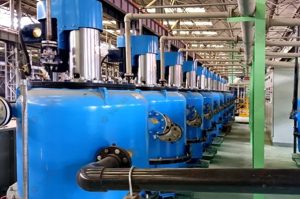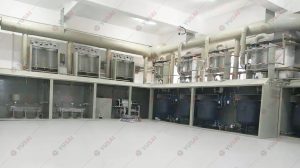
Focusing on the manufacturing and solutions for precious metal recycling, refining, and purification equipment.
Precious Metals Recovery & Refining Plant
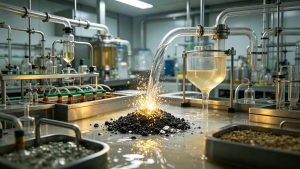
Precious metal recycling & refining plants are designed to efficiently extract, purify, and refine gold, silver, platinum, palladium, rhodium, and other precious metals from waste. They are widely used in fields such as electronic waste recycling, metallurgical anode slime treatment, spent catalyst regeneration, jewelry waste processing, and industrial precious metal waste recycling.
Raw Materials: Anode Slime,E-waste,Spent Catalysts,Smelting Slag & Tailings,Precious Metal Scrap,Electroplating Waste,Other Specific Fields, etc.
Final Products: Gold, silver, palladium, platinum, copper, rhodium, iridium, ruthenium, etc.
Capacity: 200–500 Kg/Day(Support for custom)
Main Part: Crusher,Grinder,Reactor,Reaction Tank,Filter Press,Scrubber,Centrifuge,Electrolysis Tank,vacuum storage tank, transfer pump, spray tower, filtration system, control cabinet.
Description
Our precious metal recycling and refining plant is designed for the efficient extraction, purification, and refining of gold, silver, platinum, palladium, rhodium, and other precious metals from waste materials. This equipment is widely used in anode slime, copper smelters, electronic waste recycling plants, spent catalyst treatment plants, and precious metal recycling companies. Customization is available based on your raw material type, processing capacity, and purity requirements, providing a one-stop solution for your precious metal recycling and refining business.
Our complete precious metal recycling and refining system is an integrated modular system designed for the complete process of recovering and refining gold (Au), silver (Ag), platinum (Pt), palladium (Pd), and rhodium (Rh) from various secondary resources. Employing advanced metallurgical technology and designed to stringent environmental standards, the extraction process utilizes physical separation and chemical conversion to achieve a complete process from raw material pretreatment to high-purity finished products, ensuring the highest recovery efficiency and product quality that meets international standards (99.99% purity for gold/silver/platinum/palladium).

Recovery Value
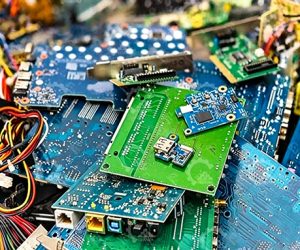
Electronic waste (e-waste) accounts for approximately 7% of the world’s total gold reserves. Precious metals are widely present in the printed circuit boards (PCBs) of various electronic devices, including computers, air conditioners, televisions, and mobile phones. As a key component of printed circuit boards, gold demand derived from e-waste processing reaches over 300 tons annually, making e-waste a crucial source for gold and copper extraction and refining.
Notably, the content of precious metals such as gold, silver, platinum, and palladium in e-waste is significantly higher than that in primary ore deposits. Compared with ore resources, e-waste boasts distinct advantages in recycling, including relatively single composition, manageable processing procedures, and lower recycling costs. For instance, the gold extractable from a single mobile phone is 50 times the gold grade of conventional gold ore.
Specifically, one ton of waste PCBs can be processed to separate 130 kilograms of copper, 20 kilograms of tin, 0.45 kilograms of gold, and other valuable metals. Consequently, the cost of recovering precious metals through the recycling and regeneration of discarded electronic products is substantially lower than that of extracting and processing raw metals directly from ore deposits.
Against this backdrop, e-waste recycling has attracted increasing attention globally. From the perspective of circular economy, these discarded electronic products still hold considerable economic and environmental value, serving as an important renewable resource pool for precious metals and contributing to the sustainable utilization of resources.
Application Raw Materials
1. Anode Slime
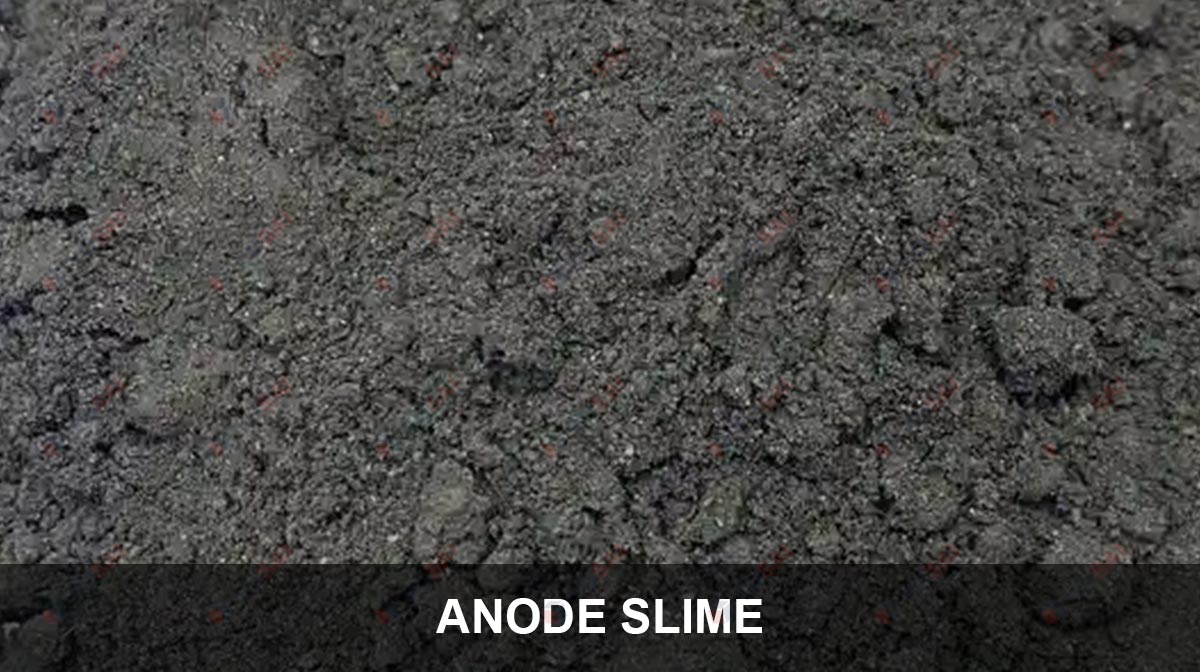
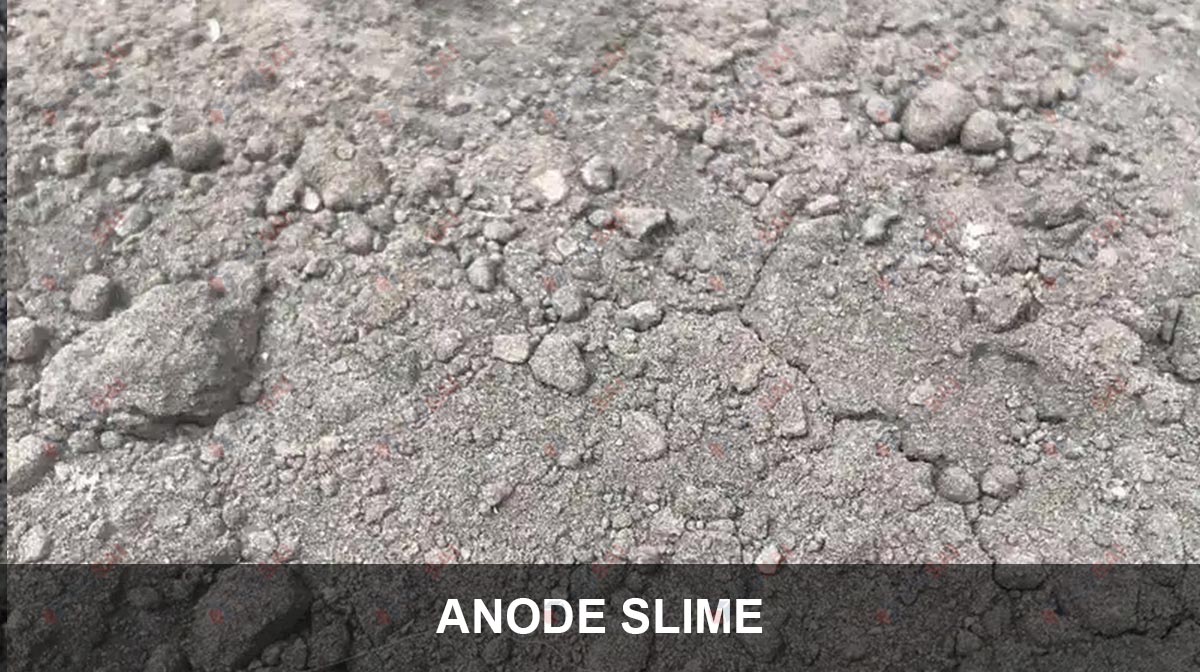
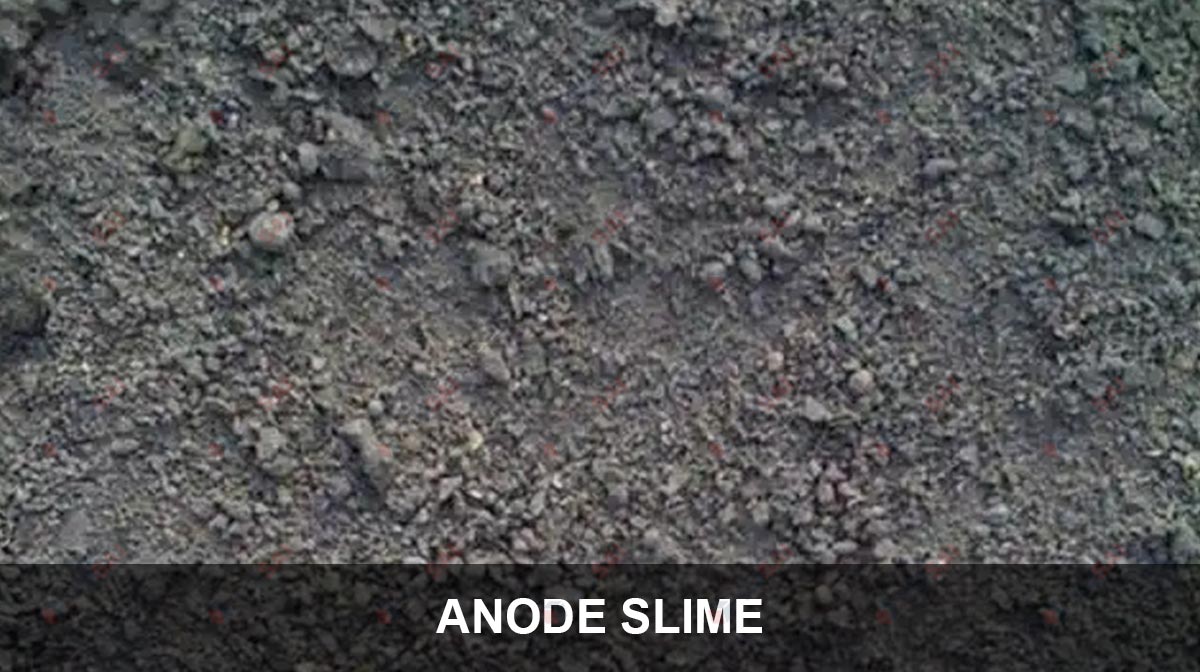
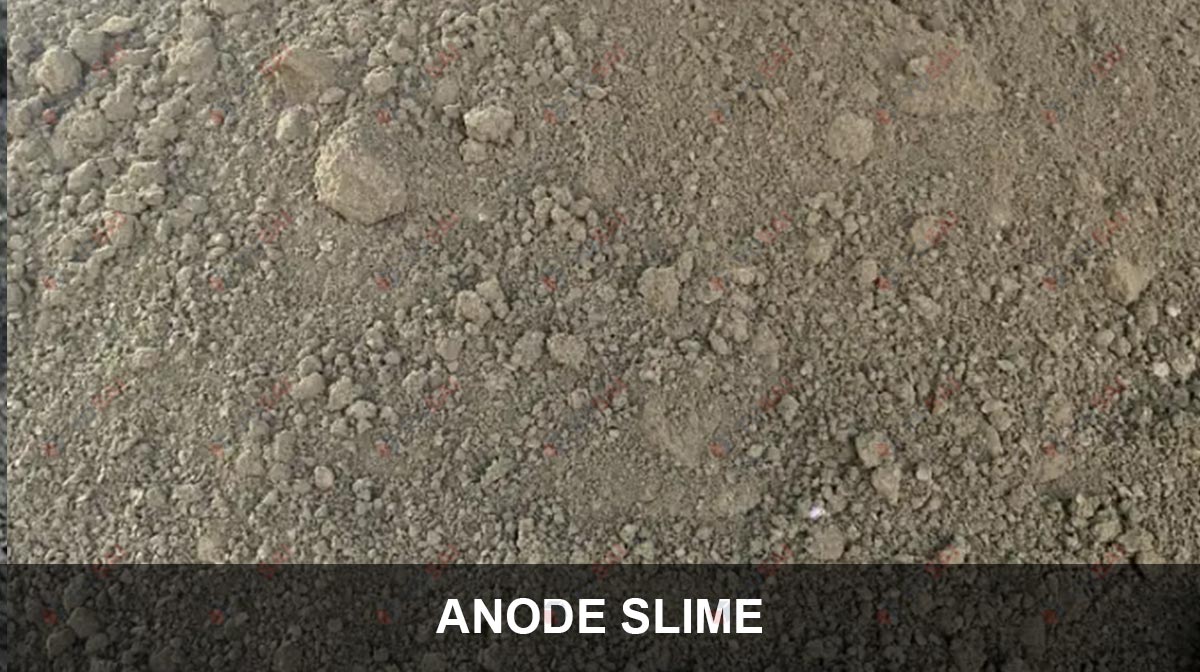
anode slime is a black-gray muddy precipitate formed at the bottom of the electrolytic cell during the electrolytic refining of heavy metals (copper, lead, nickel, etc.). It is highly enriched in precious metals and is the primary source of gold, silver, platinum and palladium in industrial recovery.
- Common Types: Copper Anode Slime (most widely used), Lead Anode Slime, Nickel Anode Slime, Zinc/Copper Anode Slime.
- Key Components: Precious metals (Au 0.1%-1.5%, Ag 5%-30%, Pt/Pd 0.005%-0.2%), scattered metals (Se, Te, In, Ge), base metal impurities (Cu, Pb, Ni, Bi, Sb) and compounds (sulfates, oxides).
- Processing Characteristics: It needs to go through roasting, acid leaching, enrichment and other pretreatment processes to remove harmful impurities such as arsenic and sulfur, and then enter the refining process; the recovery rate of precious metals can reach more than 99% through wet metallurgy technology.
2. Electronic Waste(E-waste)
Known as “urban mines”, electronic waste is a high-value raw material with large quantity and concentrated precious metal content, which has become an important supplement to secondary resource recovery. It is suitable for large-scale continuous production of the plant.
- Common Types: Waste printed circuit boards (PCBs), CPUs, mobile phone motherboards, RAM, IC chips, discarded electronic components and electronic waste liquid (lithography glue residue, electroplating waste liquid).
- Key Components: Gold (welding points, electroplating layers), silver (wires, contacts), palladium (capacitors, electrical contacts), and a small amount of rhodium/ruthenium (special electroplating layers).
- Processing Characteristics: The optimal process is wet metallurgy (selective leaching + resin adsorption), which can avoid harmful gas emissions caused by pyrometallurgy, and the recovery rate of gold and silver can reach 95%-99%.
3. Spent Catalysts
Spent catalysts are the main source of platinum group metals (Pt, Pd, Rh) in the global market, with high added value and high requirements for processing technology. The plant can realize efficient separation and enrichment of platinum group metals through combined processes.
- Common Types: Automobile three-way catalysts (core source of Pt/Pd/Rh), petrochemical Pt/Al₂O₃ catalysts, palladium-carbon catalysts (chemical hydrogenation), ruthenium-carbon catalysts (pharmaceutical industry) and Co-Mo/Al₂O₃ hydrogenation catalysts.
- Key Components: Platinum, palladium, rhodium (the rhodium grade of automobile three-way catalysts can reach several thousand ppm), and a small amount of gold and silver.
- Processing Characteristics: The optimal process for automobile three-way catalysts is the combined process of pyrometallurgy + wet refining; pyrometallurgy can efficiently enrich precious metals into alloys, and then electrolytic purification through wet method to 99.99% purity. Solvent extraction method is suitable for low-grade catalysts to realize efficient separation of palladium and platinum, with a recovery rate of 96%-99%.
4. Smelting Slag & Tailings
It refers to various slags and tailings generated during the smelting of non-ferrous metals (copper, lead, zinc, nickel), which are the largest and most widely covered secondary resources of precious metals, and realize benefits through large-scale processing.
- Common Types: Copper smelting slag, lead smelting slag, zinc smelting slag, gold extraction tailings, pyrite cinder and smelting dust (electric dust, bag dust).
- Key Components: Gold (3-25g/t), silver (50-10000g/t), and a small amount of platinum and palladium; smelting dust is highly enriched in precious metals due to volatility, with silver content up to 1000-10000g/t.
- Processing Characteristics: Gravity separation + flotation are needed for enrichment first, then leaching and refining; the recovery rate is 85%-95%, which is suitable for large-scale continuous production of the plant, with strong adaptability and large processing capacity.
5. Precious Metal Scrap
This kind of raw material has high grade, clear composition and simple processing process, which is suitable for small and medium-sized batch processing and can quickly realize value conversion.
- Common Types: Waste jewelry, jewelry processing scraps, old gold and silver coins, damaged precious metal bars, precious metal alloy scraps (industrial alloys, medical alloys).
- Key Components: Gold, silver, platinum (high grade, almost “direct metal”), and a small amount of palladium.
- Processing Characteristics: Chemical precipitation method (zinc powder replacement + aqua regia dissolution) is preferred, with low cost and fast reaction; the recovery rate is 70%-85%, and subsequent electrolytic refining can be carried out to improve purity to 99.99%.
6. Electroplating Waste
- Electroplating Sludge/Waste Liquid: It contains high-grade platinum, palladium and silver, and the precious metals exist in ionic form; ion exchange method + chemical precipitation method is adopted, with a recovery rate of more than 95%.
- Acid Sludge & Waste Acid Neutralization Sludge: It is a hidden high-value resource, with silver content up to 5000-50000g/t and gold content 10-100g/t, which needs targeted leaching and purification treatment.
- Laboratory & Medical Waste: Precious metal electrodes, implants and catalyst residues, containing platinum and iridium, which are suitable for small-scale refined recovery.
7. Other Specific Fields
- Photosensitive Waste Materials: Waste X-ray film, motion picture film, photographic printing waste liquid (rich in silver).
- Energy Equipment: Waste membrane electrode assemblies (containing platinum) from hydrogen fuel cells.
- Aerospace: Precision electronic instruments from discarded missiles and satellites, and high-temperature resistant single-crystal blades (containing rhenium).
Final Products
Our equipment and recycling technology can recover rare metals such as Gold (Au), Silver (Ag), Palladium (Pd), Platinum (Pt), Rhodium (Rh), Ruthenium (Ru), Rhenium (Re), and Copper (Cu), with a recovery rate of over 99% and a purity of 99.99%.
Precious Metal Recycling Process
Precious metal recycling and refining is a complex process that combines physical pretreatment, chemical reactions (hydrometallurgy), or high-temperature smelting (pyrometallurgy). Its core objective is to increase the metal purity to 99.99% by removing impurities. The core processes of precious metal recycling and refining include pretreatment → Refining and purification → finished ingot casting → environmental treatment. The entire process requires comprehensive environmental protection and safety equipment.

Step 1- Preprocessing
Depending on the properties of the raw materials, physical pretreatment mainly includes dismantling and sorting, crushing and grinding, and incineration/thermal treatment.
1. Dismantling & Sorting
Electronic components are disassembled manually or mechanically to separate gold-plated/silver-plated parts.
We have equipped ourselves with PCB disassembly machine.It main equipment includes dismantling machines, pulse dust collectors, activated carbon purification equipment, and waste gas treatment equipment. This automated disassembly machine is used to remove electronic components from discarded PCB boards.Through heating, the Tin on PCB boards is melt then PCB mother board and electronic components are separated. Through rolling friction, they are separated from each other thoroughly. During the process, the exhaust gas is absorbed by activated carbon firstly for treating formaldehyde. Then water spraying makes the exhaust gas sedimentate. At last, we use a filter to deal with the exhaust gas. After the three-level treatment, there is no pollution to the environment.
2. Crushing & Grinding & Sorting
Reducing bulk waste into fine particles or powder to maximize the surface area for chemical reactions.
To address the above issues, we have installed an E-waste recycling plant. This equipment consists of a crushing system, a grinding system, a sorting system, and a dust removal system, all controlled by a PLC. Through processes such as chopping, grinding, vibrating screening, gravity sorting, electrostatic sorting, and pulse dust removal, we ultimately obtain a mixture of metal powder and resin powder. We use filters to treat the exhaust gas. This three-stage treatment ensures no environmental pollution.
3. Incineration Heat Treatment
It removes organic matter such as plastics and paper from waste materials, yielding ash slag enriched with precious metals. Suitable for processing large quantities of electronic waste shredded material, catalysts, or mineral sludge.
We are equipped with rotary kilns or melting furnaces. The rotating furnace body causes the materials to tumble, resulting in uniform heating. Temperature and atmosphere can be precisely controlled, and the capacity is large, allowing for continuous production.
Step 2 - Refining And Purification
The refining and purification of precious metals (such as gold, silver, platinum, palladium, etc.) typically involves selecting different equipment based on the characteristics of the raw materials and the process route (pyrometallurgical, hydrometallurgical, electrolytic, etc.). We provide comprehensive solutions and equipment.
1. Gold Stripping Machine
Gold stripping machine is specifically designed to remove gold plating from waste electronic products and is currently the best method for gold extraction. It is suitable for various gold-plated waste materials generated in our daily lives, such as discarded mobile phone circuit boards, computer CPUs, motherboards, VCDs, DVDs, televisions, game consoles, fax machines, telephones, and many other old household appliances, as well as residues and scraps from electroplating plants, electronic component manufacturing plants, printing plants, and photosensitive material plants. gold stripping machine main process is: 1. Dispensing the gold stripping solution. 2. Immersing the surface plating material in the liquid; the surface gold will dissolve in the gold stripping solution. Lead, nickel, iron, or any other metals will not dissolve in the solution. 3. Filtering to remove impurities. 4. Reduction: Adding reducing powder to the solution, the gold will be extracted and turned into a black powder. After the black powder precipitates, coarse gold powder is obtained. Using this system, the gold recovery rate is as high as 99.99%.
2. Copper Electrolysis Equipment
Copper electrolysis equipment is a core component of the copper processing industry chain. It is mainly used to refine crude copper (with a purity of about 99%) into high-purity electrolytic copper (cathode copper with a purity of over 99.99%). Our copper electrolysis machines are mainly used to extract copper from mixed metal powders, and the purity of the finished copper is as high as 99%.
Copper electrolysis equipment consists of multiple automatic IGBT power control modules and is a digital pulse power device. Semi-automatic molding molds are used during the anode plate casting process. To shorten the electrolysis cycle, the anode thickness is generally controlled between 10 mm and 30 mm.
During electrolysis, Cu²⁺ gains electrons and is converted into pure copper at the cathode. Simultaneously, gold, silver, palladium, platinum, and rhodium remain in the anode sludge. The anode sludge is then processed through a Precious Metals Refining Plant to obtain various precious metals (99.99% purity).
Within the workshop, all areas generating waste gas must be equipped with waste gas treatment and absorption devices, and all areas generating tailings must have fluid diversion devices. Tailings will be transported to a wastewater treatment plant and discharged or reused after meeting standards.
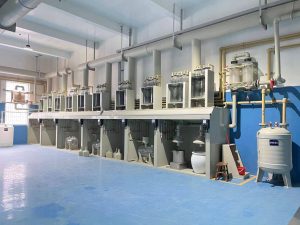
3. Precious Metals Refining Plant
The precious metal refining equipment is designed to sort and refine valuablemetals such as gold, silver, palladium, and platinum from electronic wastecontaining precious metal chip components and anode mud.
Core Advantages
– High Recovery Rate: Adopting advanced leaching, extraction and electrolysis technology, the recovery rate of gold and silver reaches over 99.96%, and platinum group metals (Pt/Pd/Rh) over 99%, minimizing precious metal loss .
– Superior Purity Output: Equipped with professional electrolytic refining and chemical purification systems, the final products are high-purity metal ingots (Au 99.99%, Ag 99.99%, Pt/Pd 99.9%), meeting LME-A grade standards and global industrial application requirements .
– Environmentally Friendly Design: Integrated multi-stage fume purification, wastewater recycling and waste residue solidification systems, fully complying with international environmental regulations (e.g., EU EHS, US EPA). No toxic gas emissions, no secondary pollution .
– Modular & Customizable: Compact modular design, easy to expand and install. We can customize the plant capacity (from 5kg/h to 100kg/h) and process according to your raw material (anode slime, e-waste, spent catalyst) .
– Automated & Efficient: PLC automatic control system, realizing continuous operation, reducing manual intervention, lowering labor costs, and shortening the processing cycle by 50% compared with traditional systems .
– Corrosion-Resistant & Durable: Key equipment (reactors, electrolytic cells, extraction units) are made of corrosion-resistant materials (borosilicate glass 3.3, titanium alloy), ensuring long service life and stable operation .
FAQ'S
Currently, our products have been exported to more than 100 countries and regions, including Turkey, Kazakhstan, India, Qatar, the United Kingdom, Iran, Uganda, Romania, Russia, Canada, Bangladesh, Vietnam, Argentina, Mexico, and Australia.
What exactly is hydrometallurgy, and how is it different from pyrometallurgy?
Hydrometallurgy uses aqueous (water-based) chemical solutions to extract and purify metals from ores, concentrates, or recycled materials at relatively low temperatures. Pyrometallurgy, in contrast, relies on high-temperature processes like smelting and roasting. Hydrometallurgy is often preferred for complex ores, lower-grade materials, and when seeking more environmentally friendly and selective metal recovery.
Why should we consider hydrometallurgical processes for our project?
Hydrometallurgy offers key advantages including higher selectivity for target metals, suitability for low-grade ores, lower energy consumption (no smelting), reduced greenhouse gas emissions, potential for on-site reagent regeneration, and the ability to treat complex or refractory materials that pyrometallurgy struggles with. It can also be more modular and scalable.
How do you support clients beyond initial process design?
Our partnership extends through the project lifecycle. We offer detailed engineering packages, equipment procurement support, commissioning assistance, operator training, and ongoing operational troubleshooting and optimization services. We aim to ensure your plant achieves and sustains its design performance and economic targets.
What kind of equipment do you design and supply for hydrometallurgical plants?
We design, engineer, and supply core process equipment integral to hydrometallurgical operations. This includes leaching reactors (tanks, columns, heaps), solid-liquid separation units (thickeners, filters), solvent extraction mixer-settlers, electrowinning cells, precipitation reactors, and advanced control systems for optimized performance.
Which metals can you recover and extract?
We provide tailored process design based on your raw materials. Our testwork generates critical data for flow sheet validation and economic feasibility studies, enabling the extraction of precious metals including gold, silver, copper, lead, platinum, palladium, and rhodium.
- Precious Metals Recovery & Refining Plant
- Precious Metals Recovery Plant
- Precious Metals Refining Plant
- Precious Metals Hydrometallurgical Refining Plant
- Precious Metals Purification Equipment
- Gold Refining Equipment
- Silver Refining Equipment
- Palladium Refining Equipment
- Platinum Refining Equipment
- Rhodium Refining Equipment
- Ruthenium Refining Equipment
- Enamel-Lined Reaction Kettle
- Neutralization Reaction Kettle
- Precious Metals Electrolytic Refining Equipment
- Gold Electrolytic Refining Equipment
- Silver Electrolytic Refining Equipment
- Copper Electrolytic Refining Equipment
- Precious Metals Electrowinning Equipment
- High Frequency Induction Melting Furnace
- Medium Frequency Induction Melting Furnace
- Precious Metals Vacuum Granulation Machine
- Acid and Alkali Gas Treatment Equipment
- NOx Treatment Equipment