The World Platinum Investment Council (WPIC) released its Q2 2026 Platinum Quarterly Report and updated the full-year market forecast: the global platinum market is projected to register a modest surplus of 8 tonnes in 2026. However, this surplus is mainly driven by investment sell-offs amid macroeconomic volatility and geopolitical tensions in the first half of the year. Three consecutive years of substantial deficits have drained above-ground platinum inventories to critically low levels.
Trevor Raymond, CEO of WPIC, stated that the expected surplus in 2026 will not reverse the depletion of above-ground stocks or the declining market liquidity. The global market will remain heavily reliant on limited existing inventories. Driven by continuous deployment of hydrogen energy, glass, chemical, medical and AI infrastructure projects, platinum’s strategic industrial value keeps rising. Platinum prices will continue to follow market sentiment. If interest rate hikes fall short of market expectations, investment demand for platinum may see upside potential for the rest of the year.
Key Market Data Analysis
The global platinum market recorded a quarterly surplus of 8 tonnes in Q2 2026. Total supply reached 59 tonnes, up 1% year-on-year, while total demand fell 16% to 52 tonnes. The surplus was primarily caused by large-scale platinum ETF outflows. ETF holdings dropped by 7 tonnes, leading to a net investment reduction of 4 tonnes for the quarter.
Demand showed obvious divergence. Industrial demand maintained resilience, rising 6% year-on-year to 19 tonnes. In contrast, jewellery demand slumped sharply by 32% to 14 tonnes, and automotive platinum demand declined 6% to 23 tonnes. The drops in jewellery and automotive sectors offset growth from industrial applications.
For the full year 2026, total platinum supply is forecast to rise 2% to 229 tonnes, with all incremental supply coming from recycled materials. Mine production will stay flat at 173 tonnes; modest output growth in South Africa will be offset by production declines in other regions. Total demand is expected to drop 18% to 220 tonnes, mainly dragged down by weaker investment demand. The full-year surplus is estimated at 8 tonnes, with a full-year net investment reduction of 3 tonnes. ETF capital inflows in the second half will partially counteract the 17-tonne surplus seen in H1.
On the inventory side, revised data shows the 2025 platinum supply deficit widened to more than 45 tonnes as above-ground stocks were continuously consumed. By the end of 2026, global above-ground platinum inventories are projected to recover to 63 tonnes, which can only cover 3.4 months of global consumption. The inventory buffer remains fragile.
Demand Breakdown by Sector
- Automotive sector Driven by oil price fluctuations from US-Iran conflicts and broad inflation pressure, the forecast for light-duty vehicle (LDV) output has been revised down. LDV production is expected to fall 1% year-on-year in 2026, with production cuts concentrated on catalyst-equipped vehicles. As a result, automotive platinum demand is set to decline 4% to 90 tonnes. Regional divergence is prominent: China and Europe face downward pressure, while North America and India partly offset this trend through wider adoption of hybrid vehicles, preference for larger vehicles with higher platinum loading per unit, and increased production volumes.
- Jewellery sector Full-year jewellery platinum demand is predicted to drop 15% to 59 tonnes. China is the main source of demand contraction, due to reversed inventory build-up from last year, sluggish domestic consumption and shifting consumer preferences, leading to a sharp fall in jewellery fabrication. High platinum prices and weak underlying demand will also weigh on jewellery consumption in Japan and India. Conversely, Europe and North America remain relatively resilient, supported by wedding demand and platinum’s notable price discount versus peer precious metals.
- Industrial sector Industrial demand grows against the trend, projected to rise 5% year-on-year to 74 tonnes in 2026, representing an upward revision of 7% from previous estimates. Strong growth in glass (+23%), chemicals (+9%), medical (+4%), selected industrial segments (+19%) and hydrogen energy (+8%) offsets a 28% drop in petroleum sector demand. The petroleum downturn stems from ongoing disruptions in the Strait of Hormuz and pressure on Russia’s refining industry. The development of global artificial intelligence infrastructure unlocks new demand for platinum group metals. China plans to invest nearly $300 billion in AI infrastructure by 2030, while private AI investment in the US is estimated at $500 billion. These massive investments will create fresh demand scenarios for platinum group metals, ushering in a critical phase for the industry.
Investment Segment Performance
In Q2 2026, expectations of rising interest rates weighed on platinum prices. Geopolitical and macro headwinds dragged platinum and the broader precious metals complex. Platinum ETF outflows hit 7 tonnes, and demand for platinum bars and coins plunged 71% year-on-year (-3 tonnes), resulting in a net investment reduction of 4 tonnes in the quarter.
For 2026 as a whole, net investment reduction is estimated at 3 tonnes. Although ETF capital may return in H2, it can only partially offset the large-scale outflows in H1, leading to projected annual ETF net outflows of 12 tonnes. Meanwhile, with tariff concerns easing, last year’s sharp build-up of exchange inventories will partially reverse, releasing 3 tonnes of platinum from exchange stockpiles. Annual demand for platinum bars and coins is expected to fall 22% (-3 tonnes) to 10 tonnes, with recovery anticipated in most markets.
Regenerative Recovery Becomes Core Source of Platinum Supply Growth, Bringing Opportunities for Recovery Equipment
The WPIC report clearly identifies recycling as the only growth driver of platinum supply in 2026. Recovery from automotive catalytic converters and industrial waste has increased significantly, offsetting the decline in jewellery scrap recycling. Given limited incremental mine output and tight global above-ground inventories, the regenerative recycling of platinum group metals has become a vital pathway to stabilise global platinum supply.
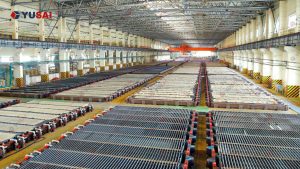
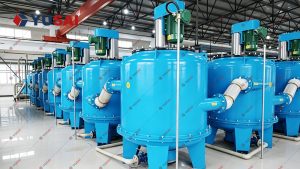
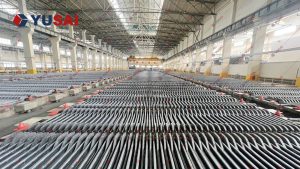
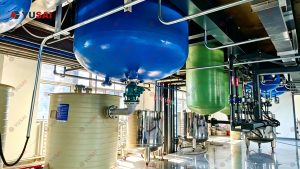
Henan Yusai Precision Machinery Co., Ltd. provides complete sets of precious metal recycling production equipment. Our solutions cater for materials including automotive catalysts, industrial waste, spent palladium carbon and platinum-bearing hazardous materials. We deliver full-process production lines for crushing, sorting, enrichment and refining of platinum, palladium, rhodium and other precious metals. We help enterprises efficiently recover platinum group metals from various industrial solid wastes, seize opportunities in the global precious metal recycling industry and ease industry pressure caused by tight primary resource supply.
Trevor Raymond added that the projected modest surplus in 2026 should be viewed against the macro headwinds seen in the first half. Platinum maintains resilient automotive demand and growing industrial usage. Coupled with the global AI infrastructure boom, the long-term demand outlook for platinum group metals deserves continuous attention, and the precious metal recycling sector will keep releasing development potential.