Driven by the explosive growth of the global new energy vehicle industry, early large-scale power batteries have gradually entered the retirement cycle. Industry authorities predict that 95% of the world’s future lithium resource demand will be supplied by retired lithium batteries from new energy vehicles. Recycling and reusing waste lithium batteries is no longer an optional choice, but an inevitable necessity to secure global resource supplies and protect the ecological environment.
1. Surging Retired Battery Volume Builds a Trillion-Level “Urban Mine”
Global new energy vehicle sales have maintained rapid growth over the past decade, bringing a massive wave of retired power batteries. In 2025, China’s retired power battery volume will reach 820,000 tons, and the industry will hit a million-ton retirement milestone in 2026. By 2030, the global volume of retired lithium batteries will exceed 2 million tons.
The battery recycling market is expanding simultaneously. The global lithium battery recycling market size is valued at approximately USD 14.6 billion in 2025 and is projected to reach USD 52 billion by 2030, with a compound annual growth rate of over 27%.
Waste lithium batteries are widely regarded as high-value urban mines. A ton of ternary lithium batteries can extract around 15kg of lithium, 200kg of nickel and 30kg of cobalt — the content of precious metals in waste batteries far exceeds that of natural mineral ores. Given the high external dependence on scarce metals such as lithium, cobalt and nickel, battery recycling has become a core way to supplement global mineral resources and stabilize the new energy industrial chain.
2. Unregulated Disposal Causes Severe Resource Waste and Environmental Risks
The booming retired battery volume also brings severe challenges to waste disposal. Random abandonment and primitive workshop-style rough dismantling lead to two major losses.
On the one hand, it causes enormous waste of strategic resources. A large number of rare metals including lithium, nickel and cobalt fail to be effectively recovered, resulting in irreversible loss of scarce mineral resources.
On the other hand, it triggers serious environmental and safety hazards. The electrolyte of lithium batteries contains toxic fluorides and harmful substances. Improper treatment will cause heavy metal leakage, soil and groundwater pollution. Meanwhile, short circuits of unprocessed battery cells may easily lead to fire and explosion accidents.
Traditional crude processing methods can no longer meet global environmental standards and industrial development requirements. Standardized, efficient and environmentally friendly recycling technology and professional equipment have become the core of the industry.
3. Complete Professional Equipment: The Core of Efficient Battery Resource Regeneration
Advanced complete recycling production lines are the key support for harmless and resourceful utilization of retired lithium batteries. Outdated simple equipment features low sorting accuracy, low metal recovery rate and incomplete environmental protection configuration, which cannot meet international environmental regulations and production needs.
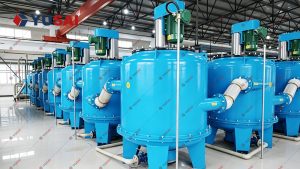
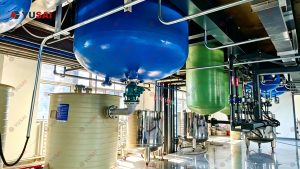
Modern integrated lithium battery recycling equipment covers full-process procedures including safe discharge, crushing, pyrolysis, air separation, gravity sorting, dust removal and tail gas treatment. It can efficiently separate copper, aluminum, diaphragms and positive/negative electrode powder, greatly improving the recovery rate of high-value metals such as lithium, nickel and cobalt.
Moreover, recycled lithium resources have prominent advantages over original mineral resources. The production cost of recycled lithium is only 50%-60% of that of mined lithium, while carbon emissions are reduced by more than 60%. It fully complies with the global carbon neutrality goals, the EU Battery Regulation and various national environmental and resource policies, becoming the mainstream trend of the new energy industry.
4. Professional Complete Recycling Equipment Solutions for Global Partners
Against the backdrop of the global circular economy boom, choosing reliable full-set recycling production lines is crucial for entering the lithium battery recycling track.
We are a professional manufacturer focusing on the R&D and production of complete waste lithium battery recycling equipment. Adopting mature physical recycling technology, we provide one-stop integrated recycling solutions.
Our automated and environmentally friendly production lines are suitable for processing retired new energy vehicle power batteries, energy storage batteries and consumer waste lithium batteries. They effectively realize the separation and purification of battery materials, strictly control secondary pollution and fully meet international environmental audit standards.
By revitalizing scarce lithium, cobalt and nickel resources, our equipment can continuously supply high-quality raw materials for the global new energy industry.
The lithium battery recycling industry is a high-potential golden track in the new energy era. With the continuous growth of global retired battery resources, complete and standardized recycling equipment will become the core competitiveness of industrial layout. We provide factory-direct complete recycling equipment and professional overall solutions, cooperating with global partners to explore the value of urban mines and win the future of the circular economy!