Bleach-fix solution is an essential chemical for color photo processing, mainly composed of ammonium EDTA iron and ammonium thiosulfate. It bleaches metallic silver into silver halide and removes residual halides to stabilize image quality. With the rapid growth of high-speed color printing industry, waste bleach-fix solution output increases continuously. Spent solution contains large amounts of complex silver and trace gold. Direct discharge causes serious precious metal loss and environmental pollution. Therefore, efficient precious metal recovery and solution regeneration are essential for cleaner production and resource recycling. Currently, industrial recovery methods mainly include electrolytic extraction and sulfide precipitation. The electrolytic method, supported by professional electrolytic equipment, has become the preferred technology due to high product purity and low secondary pollution.
1. Characteristics and Recovery Challenges of Waste Bleach-Fix Solution
Different from common fixing solution, EDTA iron-based bleach-fix wastewater contains massive iron chelate ions, which cause severe cathode side reactions during electrolysis. These side reactions consume electric current, reduce current efficiency, and raise energy consumption. When silver concentration drops below 2 g/kg, conventional equipment fails to recover silver effectively. In addition, traditional single recovery processes cannot restore the bleaching and fixing activity of spent solution. Although sulfide precipitation features high recovery rate and low cost, it produces low-purity silver sulfide residue, generates toxic hydrogen sulfide gas, and cannot realize solution regeneration, which limits its industrial application.
2. Electrolytic Extraction Principle and Regeneration Technology
Electrolytic precious metal extraction adopts electrochemical reduction principle. Under DC power supply, silver and gold complex ions obtain electrons and precipitate as pure metallic flakes on the cathode, while inert anode avoids impurity dissolution. Optimized industrial electrolysis applies current density adjustment and forced solution circulation to eliminate concentration polarization, effectively suppressing iron chelate interference. The optimal working temperature is 30–50 ℃, which ensures stable and efficient metal precipitation.
To achieve solution recycling, electrolytic treatment is combined with chemical regeneration. After silver extraction, the waste liquid is oxidized by air to convert inactive EDTAFe(Ⅱ) back to active EDTAFe(Ⅲ). By supplementing 3–8 g fixing agent and 0–8 g bleaching agent per gram of recovered silver and adjusting pH to 5.5–6.5, the spent solution can be fully regenerated. The regenerated solution maintains a stable silver content of 0.21 g/L and exhibits equivalent processing performance as fresh liquid, allowing repeated industrial use.
In the chemical reduction procedure, Regenerator A is added at 2–4 g per gram of silver under 30–50 ℃ stirring condition. The separated metallic silver purity reaches above 97%.
3. Composition and Performance of Special Electrolytic Equipment
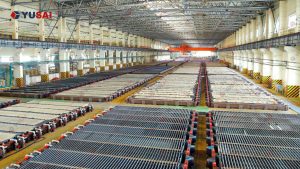
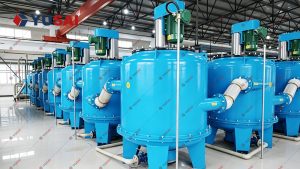
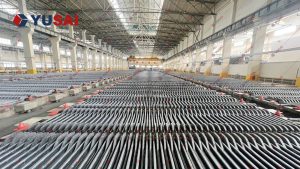
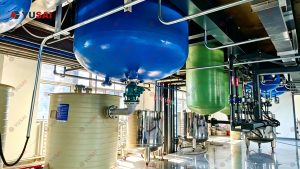
Professional electrolytic extraction equipment is specially optimized for corrosive and complex bleach-fix wastewater, consisting of five core modules to ensure stable and efficient operation.
3.1 Electrolysis System
The anti-corrosion PP/PVC tank adapts to long-term chelating wastewater treatment. High-purity graphite inert anode prevents dissolution and impurity contamination. The rotating cylindrical stainless steel cathode strengthens liquid turbulence, eliminates polarization, and realizes efficient precipitation even under low silver concentration.
3.2 Intelligent Control System
Adjustable low-voltage high-current DC power supply matches optimal electrolysis parameters according to real water quality conditions, reducing side reaction energy loss. Integrated over-current, over-temperature and overload protection ensures safe and continuous operation.
3.3 Circulation System
Anti-corrosion circulating pumps realize uniform liquid flow and temperature distribution, improving precious metal recovery stability and efficiency for continuous production.
3.4 pH and Dosing Regulation System
Automatic online pH monitoring and precise chemical dosing guarantee stable regeneration quality and reduce manual errors.
3.5 Collection System
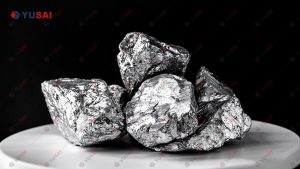
Flake silver and gold products are easy to strip and collect. The recovered silver purity is stably above 97%, and high-end models can reach 99% purity.
4. Process Comparison and Industrial Advantages
Compared with sulfide precipitation, the electrolytic process produces high-purity metallic silver without secondary pollution and supports solution regeneration. Although sulfide precipitation is low-cost and high-yield, it causes severe pollution and cannot recycle bleach-fix liquid. The combined “electrolytic extraction + chemical regeneration” process realizes both precious metal recovery and wastewater reuse, which perfectly meets the requirements of industrial environmental compliance and resource conservation.
5. Conclusion
Henan Yusai Precision Machinery Co., Ltd.’s electrolytic gold and silver extraction technology and supporting specialized equipment effectively overcome the low efficiency, high pollution and non-recyclable shortcomings of traditional bleach-fix wastewater treatment processes. Combined with professional chemical regeneration technology, this integrated process realizes high-purity precious metal recovery and cyclic reuse of bleach-fix solution, bringing remarkable economic and environmental benefits, and has become a reliable mainstream solution for the sustainable development of the photosensitive and photo-printing industry.