1. Core Process Principle of the Equipment
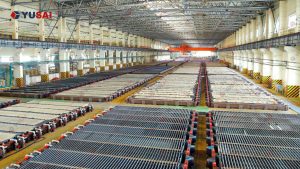
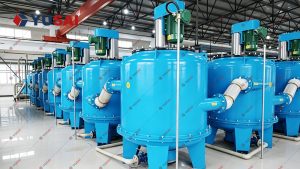
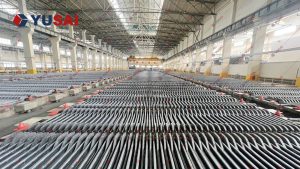
The multi-tank series vertical silver electrolytic cell features vertically mounted electrode plates and series-connected cell units. It consists of multiple independent vertical electrolytic cells sharing integrated electrolyte circulation, power supply and temperature control systems. In operation, crude silver anodes and pure silver cathodes are vertically arranged inside the cells. The silver nitrate electrolyte circulates continuously in a top-in and bottom-out mode via circulating pumps.
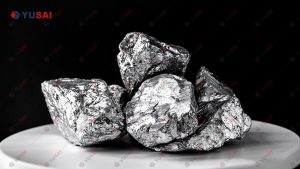
Under DC power supply, crude silver anodes dissolve into silver ions, while impurity elements either settle as anode mud or remain minimally in the electrolyte based on potential differences. High-purity silver ions are reduced and precipitated on cathodes. The series structure enables gradual electrolyte purification and silver ion enrichment, supporting stable, continuous large-scale refining. The equipment consistently produces silver purity above 99.99%, satisfying industrial high-purity silver standards.
2. Core Advantages of Multi-tank Series Vertical Silver Electrolytic Cell
2.1 Flexible and Controllable Production Capacity, Strong Adaptability for Large-Scale Production
The modular series design enables flexible capacity adjustment by changing the number of connected cells, adapting to both small-batch and large-scale refining production. A 9-cell series unit reaches a daily output of 700–900 kg, far exceeding traditional single-tank equipment. Its compact vertical plate layout improves floor utilization, saves workshop space and reduces infrastructure investment, ideal for intensive industrial production layouts.
2.2 Stable Electrolysis Purity and High Product Precision
Multi-tank series circulation realizes graded electrolyte purification, effectively preventing impurity accumulation and solution aging commonly found in single-tank systems. Optimized pole spacing stabilizes electrode reactions and suppresses concentration polarization and hydrogen evolution side reactions. Under standardized operation, electrolytic silver powder achieves stable purity over 99.995% with uniform quality, requiring no secondary reprocessing to meet electronics, photovoltaic and high-end jewelry industry standards. It also supports graded refining for raw materials of different purity levels to avoid cross-contamination.
2.3 High Electrolyte Utilization Rate and Controllable Production Cost
Compared with traditional horizontal and single-tank vertical devices, this series structure reduces invalid electrolyte volume and improves circulation efficiency. All cells share unified supporting systems, lowering initial equipment investment and overall energy consumption. Closed-loop circulating electrolyte can be reused long-term, reducing chemical consumption and wastewater discharge for cost savings and eco-friendly production. The optimized structure shortens the electrolysis cycle to one day, greatly improving capital and material turnover efficiency.
2.4 Simple Structure, Convenient Maintenance and High Operational Safety
Adopting modular and standardized construction, the equipment features simple assembly, disassembly and daily maintenance. Vertical plate arrangement facilitates silver powder collection, plate replacement and anode mud cleaning. Equipped with reliable insulation protection, it avoids leakage and short-circuit faults. Single-cell independent start-stop and maintenance avoid full-line shutdown, minimizing production loss. Closed circulation also ensures low noise, low volatilization and a safe, clean workshop environment.
3. Existing Disadvantages of Multi-tank Series Vertical Silver Electrolytic Cell
3.1 Strong Series Linkage, Single-point Failure Affects Full-line Production
The series connection mode brings strong system linkage, where single-cell faults such as plate damage, pipeline blockage and liquid leakage will unbalance overall circulation and current distribution, forcing full-line shutdown. This results in low fault tolerance and high requirements for daily inspection and maintenance, easily causing production instability compared with parallel tank layouts.
3.2 Severe Concentration Polarization Limits Efficiency Under High-load Working Conditions
The conventional top-in bottom-out circulation and vertical plate layout easily cause uneven flow velocity and delayed solution renewal, leading to severe concentration polarization during long-term operation. Under high current density and high-load production, polarization worsens, causing coarse silver crystallization, hydrogen evolution and impurity co-deposition, which reduce current efficiency and degrade silver quality while accelerating electrolyte aging.
3.3 Low Automation Level for Powder Discharging and High Labor Cost
Most series vertical silver electrolytic cells rely on manual powder discharging and tank cleaning. After electrolysis, production must stop for electrolyte draining, manual powder collection, tank cleaning and refilling, resulting in cumbersome procedures and high labor costs during mass production. Manual operation differences also cause batch instability, limiting compatibility with fully intelligent production lines.
3.4 High Long-term Energy Consumption and Uneven Tank Loss
Long pipelines and circuit layouts in series systems increase circulation resistance and voltage drop, raising continuous-operation energy consumption. Gradient differences in impurity and silver ion concentration between front and rear cells lead to uneven plate wear and tank corrosion, increasing maintenance costs and inconsistent service life. Additionally, the series structure shows low energy efficiency and poor economy under small-batch, low-load operation.
4. Applicable Scenarios and Optimization Suggestions
In summary, multi-tank series vertical silver electrolytic cells are highly applicable for medium-to-large scale, continuous and high-purity silver refining with stable raw material supply. In contrast, they are less economical for small-batch, intermittent and multi-variety production due to relatively high maintenance and shutdown costs.
Several practical optimizations can improve overall performance: upgrading to bidirectional circulation and zonal flow diversion to weaken concentration polarization; installing automatic discharging and online purification devices to reduce manual work; equipping independent single-cell current and voltage control modules to balance system operation; and implementing standardized graded maintenance to eliminate full-line faults caused by single-unit abnormalities.
5. Conclusion
Featuring flexible capacity, stable refining quality, high space utilization and easy maintenance, multi-tank series vertical silver electrolytic cells have become mainstream equipment for industrial high-purity silver production. Nevertheless, limitations including low fault tolerance, polarization effects, insufficient automation and relatively high energy consumption restrict further intelligent and efficient upgrading.
With ongoing industrial upgrading toward green and intelligent production, structural optimization and automatic retrofitting will effectively compensate for existing deficiencies and improve overall production efficiency. Modular, low-energy and high-reliability electrolytic cells will dominate future precious metal refining equipment. Henan Yusai Precision Machinery Co., Ltd. specializes in the R&D and manufacturing of solid waste recycling and metallurgical refining equipment, including precious metal electrolytic refining, new energy battery recycling and pyrolysis carbonization systems. With mature process technology and abundant field experience, the company continuously optimizes multi-tank series vertical silver electrolytic cells and provides customers with customized equipment configuration, process upgrading, installation and after-sales services, supporting the green, intelligent and high-efficiency development of the precious metal refining industry.